WORK


Designing for Pause: Mindful,
a Break Timer for Remote Balance
Designing for Pause: Mindful,
a Break Timer for Remote Balance
WORKFLOW
Market Research
Research Interviews
User Personas
Design
Iterative Process
TEAM
Jozz Gomez
TIME
2025
SECTOR
Wellness
Overview
After two years of working remotely, I noticed a pattern: skipped breaks, constant screen time, and a lack of mental reset between tasks. Like many millennials and Gen Z professionals, I found it challenging to maintain healthy routines and stay energized throughout the day. With over 60% of remote workers reporting similar experiences, I saw an opportunity to design a solution.
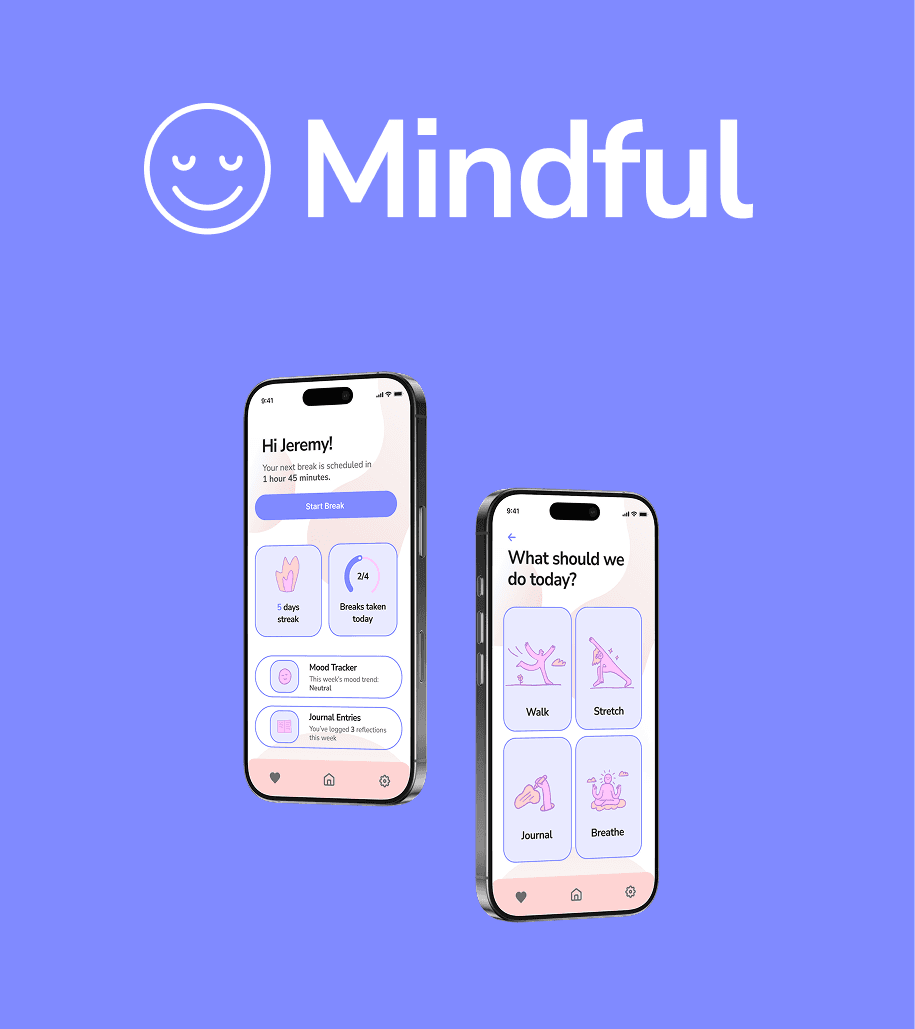
Mindful is a break timer app designed to help remote workers slow down, reset, and take care of their well-being throughout the day. Inspired by my own journey, this personal project became an exploration of how UX can support healthier work habits through small, mindful actions.
Overview
After two years of working remotely, I noticed a pattern: skipped breaks, constant screen time, and a lack of mental reset between tasks. Like many millennials and Gen Z professionals, I found it challenging to maintain healthy routines and stay energized throughout the day. With over 60% of remote workers reporting similar experiences, I saw an opportunity to design a solution.
Mindful is a break timer app designed to help remote workers slow down, reset, and take care of their well-being throughout the day. Inspired by my own journey, this personal project became an exploration of how UX can support healthier work habits through small, mindful actions.
Overview
After two years of working remotely, I noticed a pattern: skipped breaks, constant screen time, and a lack of mental reset between tasks. Like many millennials and Gen Z professionals, I found it challenging to maintain healthy routines and stay energized throughout the day. With over 60% of remote workers reporting similar experiences, I saw an opportunity to design a solution.
Mindful is a break timer app designed to help remote workers slow down, reset, and take care of their well-being throughout the day. Inspired by my own journey, this personal project became an exploration of how UX can support healthier work habits through small, mindful actions.


The Remote Work Reality
To better understand the broader context behind this challenge, I explored current research on remote work habits, mental health, and productivity. The data confirms what many remote workers experience daily: blurred boundaries, reduced focus, and increased feelings of burnout. These key statistics highlight the urgency of designing tools that promote balance and well-being in remote work environments.
The Remote Work Reality
To better understand the broader context behind this challenge, I explored current research on remote work habits, mental health, and productivity. The data confirms what many remote workers experience daily: blurred boundaries, reduced focus, and increased feelings of burnout. These key statistics highlight the urgency of designing tools that promote balance and well-being in remote work environments.
The Remote Work Reality
To better understand the broader context behind this challenge, I explored current research on remote work habits, mental health, and productivity. The data confirms what many remote workers experience daily: blurred boundaries, reduced focus, and increased feelings of burnout. These key statistics highlight the urgency of designing tools that promote balance and well-being in remote work environments.

User Research
To better understand the needs and struggles of remote workers, I focused on three key research areas: break-taking habits, mental wellness, and digital fatigue. I interviewed five remote professionals aged 25–34 across different time zones, working in fields like design, marketing, and tech. All participants worked from home at least 4 days a week.
The interviews revealed clear patterns around motivation, guilt tied to taking breaks, and the desire for tools that support balance without adding pressure.
User Research
To better understand the needs and struggles of remote workers, I focused on three key research areas: break-taking habits, mental wellness, and digital fatigue. I interviewed five remote professionals aged 25–34 across different time zones, working in fields like design, marketing, and tech. All participants worked from home at least 4 days a week.
The interviews revealed clear patterns around motivation, guilt tied to taking breaks, and the desire for tools that support balance without adding pressure.
User Research
To better understand the needs and struggles of remote workers, I focused on three key research areas: break-taking habits, mental wellness, and digital fatigue. I interviewed five remote professionals aged 25–34 across different time zones, working in fields like design, marketing, and tech. All participants worked from home at least 4 days a week.
The interviews revealed clear patterns around motivation, guilt tied to taking breaks, and the desire for tools that support balance without adding pressure.


Meet Zara and Jeremy
Based on insights gathered from user interviews, I created two personas that reflect the core needs of Mindful’s target users: remote millennials and Gen Z professionals seeking better balance in their workdays.
Meet Zara and Jeremy
Based on insights gathered from user interviews, I created two personas that reflect the core needs of Mindful’s target users: remote millennials and Gen Z professionals seeking better balance in their workdays.
Meet Zara and Jeremy
Based on insights gathered from user interviews, I created two personas that reflect the core needs of Mindful’s target users: remote millennials and Gen Z professionals seeking better balance in their workdays.

First Approach
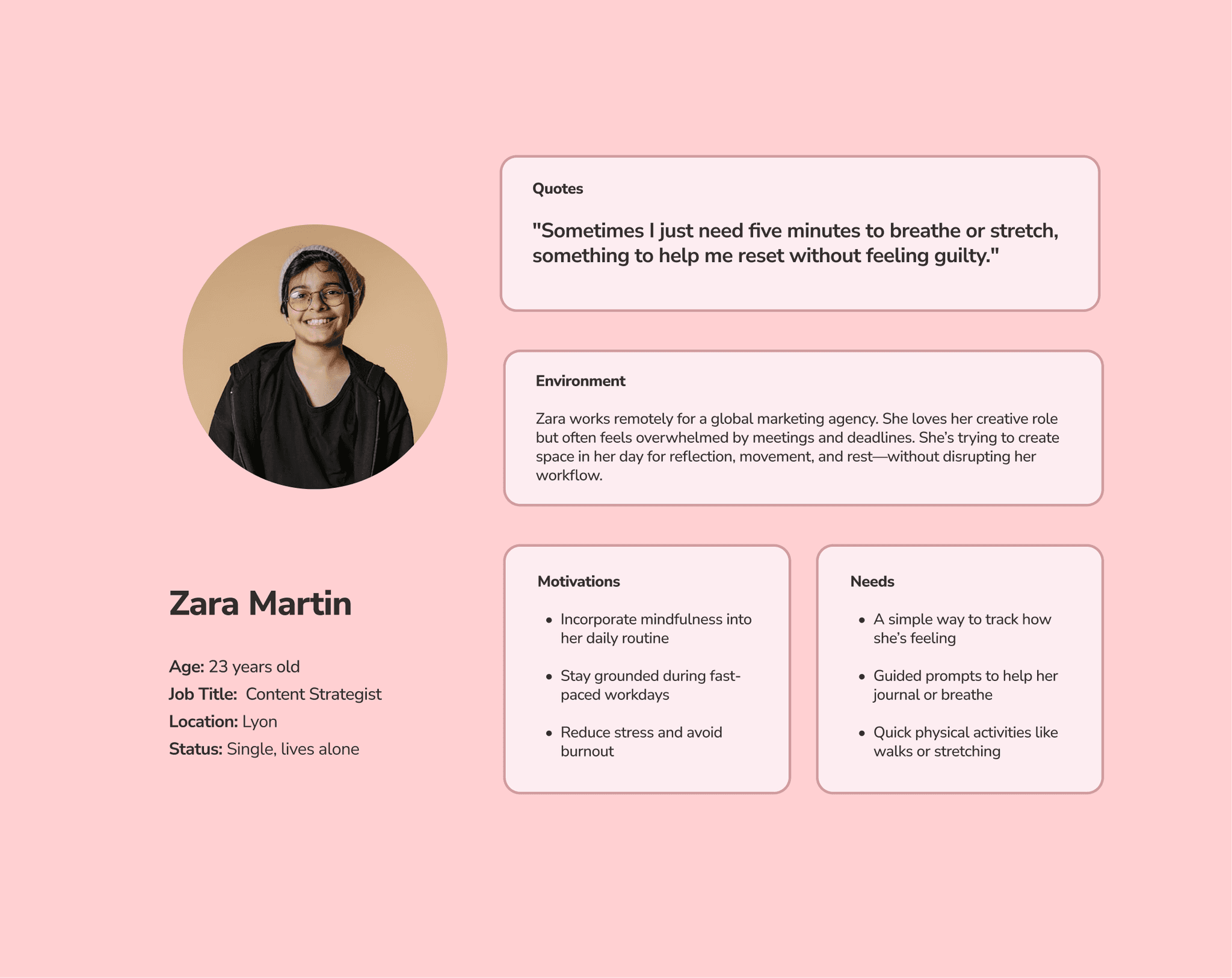
I explored the foundation of the app through quick, low-fidelity sketches that focused on essential functionality. From the beginning, I created a simple but fun layout: free of distractions and aligned with the app’s purpose: mindful, restorative breaks.
I also started thinking about the visual tone early on, aiming for a color palette that felt both uplifting and calming. At this stage, I outlined the first possible break types: reflection, stretching, journaling, and a customizable pause for any activity of choice.
First Approach
I explored the foundation of the app through quick, low-fidelity sketches that focused on essential functionality. From the beginning, I created a simple but fun layout: free of distractions and aligned with the app’s purpose: mindful, restorative breaks.
I also started thinking about the visual tone early on, aiming for a color palette that felt both uplifting and calming. At this stage, I outlined the first possible break types: reflection, stretching, journaling, and a customizable pause for any activity of choice.
First Approach
I explored the foundation of the app through quick, low-fidelity sketches that focused on essential functionality. From the beginning, I created a simple but fun layout: free of distractions and aligned with the app’s purpose: mindful, restorative breaks.
I also started thinking about the visual tone early on, aiming for a color palette that felt both uplifting and calming. At this stage, I outlined the first possible break types: reflection, stretching, journaling, and a customizable pause for any activity of choice.
Illustrating a Mindful world
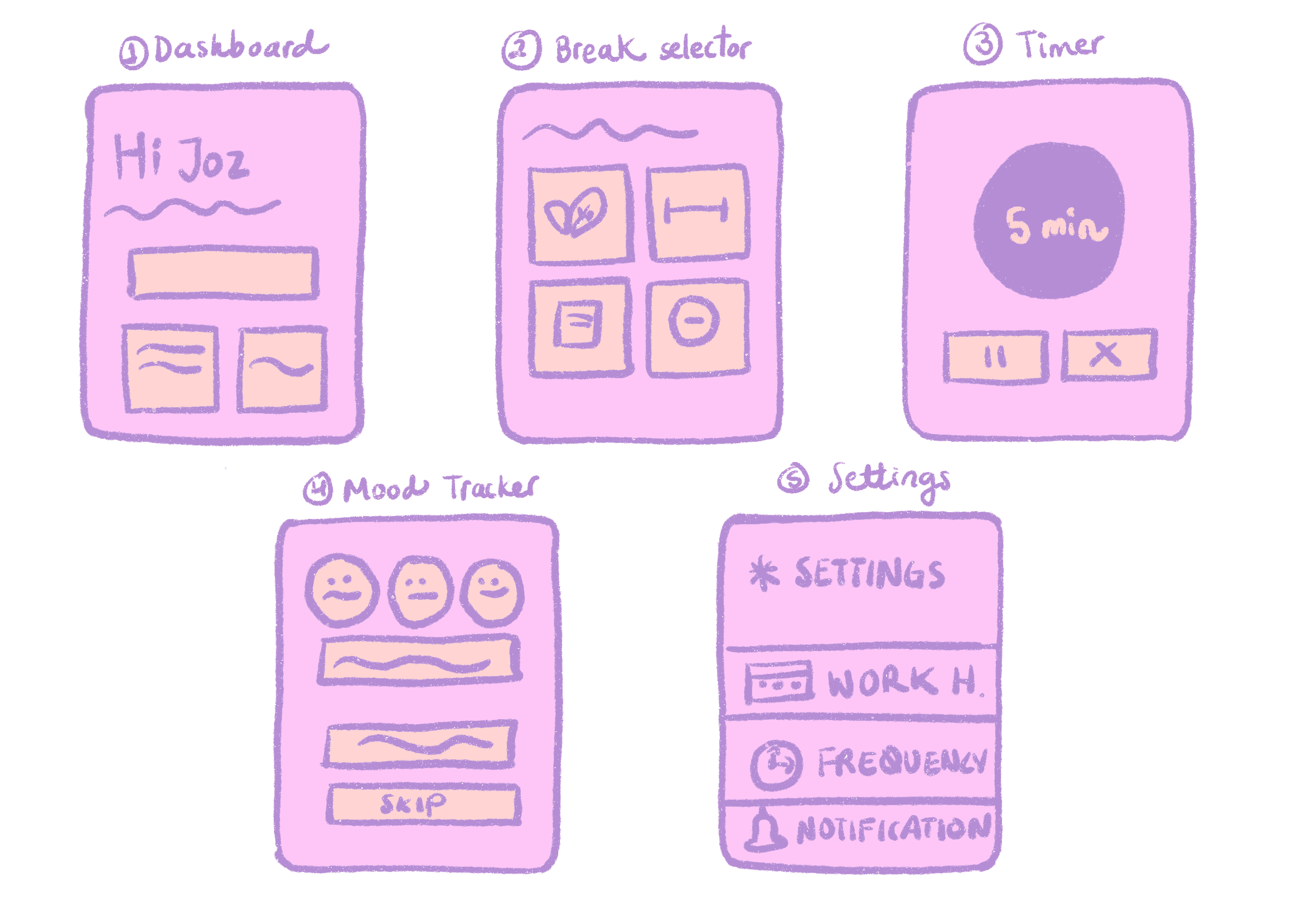
To bring warmth and personality into the experience, I created a visual universe for Mindful, a world inhabited by soft, expressive characters designed to feel like companions on the journey to healthier work habits.
The illustrations weren’t just decorative; they played a key role in making each screen feel approachable, engaging, and emotionally supportive.
From the onboarding to the mood tracker, each section featured drawings that gently guided users through their break moments.
Inspired by the playful yet thoughtful style of illustrators like Radostina G. and NessafiestaI, I aimed to strike a balance between simplicity and charm, using dry ink lines and calming tones to build a space that feels both visual and grounding.
Illustrating a Mindful world
To bring warmth and personality into the experience, I created a visual universe for Mindful, a world inhabited by soft, expressive characters designed to feel like companions on the journey to healthier work habits.
The illustrations weren’t just decorative; they played a key role in making each screen feel approachable, engaging, and emotionally supportive.
From the onboarding to the mood tracker, each section featured drawings that gently guided users through their break moments.
Inspired by the playful yet thoughtful style of illustrators like Radostina G. and NessafiestaI, I aimed to strike a balance between simplicity and charm, using dry ink lines and calming tones to build a space that feels both visual and grounding.
Illustrating a Mindful world
To bring warmth and personality into the experience, I created a visual universe for Mindful, a world inhabited by soft, expressive characters designed to feel like companions on the journey to healthier work habits.
The illustrations weren’t just decorative; they played a key role in making each screen feel approachable, engaging, and emotionally supportive.
From the onboarding to the mood tracker, each section featured drawings that gently guided users through their break moments.
Inspired by the playful yet thoughtful style of illustrators like Radostina G. and NessafiestaI, I aimed to strike a balance between simplicity and charm, using dry ink lines and calming tones to build a space that feels both visual and grounding.


Final UI
Final UI
Final UI
Onboarding
The onboarding experience offers users their first introduction to Mindful, setting the tone with a friendly and inviting design. It consists of three screens that highlight the app’s core functions: helping users reconnect with their time, take intentional breaks, and feel more in control of their schedule.
For added flexibility, I included a "Skip" option, allowing users to go directly to the sign-up form if they prefer to dive right in.
Onboarding
The onboarding experience offers users their first introduction to Mindful, setting the tone with a friendly and inviting design. It consists of three screens that highlight the app’s core functions: helping users reconnect with their time, take intentional breaks, and feel more in control of their schedule.
For added flexibility, I included a "Skip" option, allowing users to go directly to the sign-up form if they prefer to dive right in.
Onboarding
The onboarding experience offers users their first introduction to Mindful, setting the tone with a friendly and inviting design. It consists of three screens that highlight the app’s core functions: helping users reconnect with their time, take intentional breaks, and feel more in control of their schedule.
For added flexibility, I included a "Skip" option, allowing users to go directly to the sign-up form if they prefer to dive right in.


Login, Sign Up & Dashboard
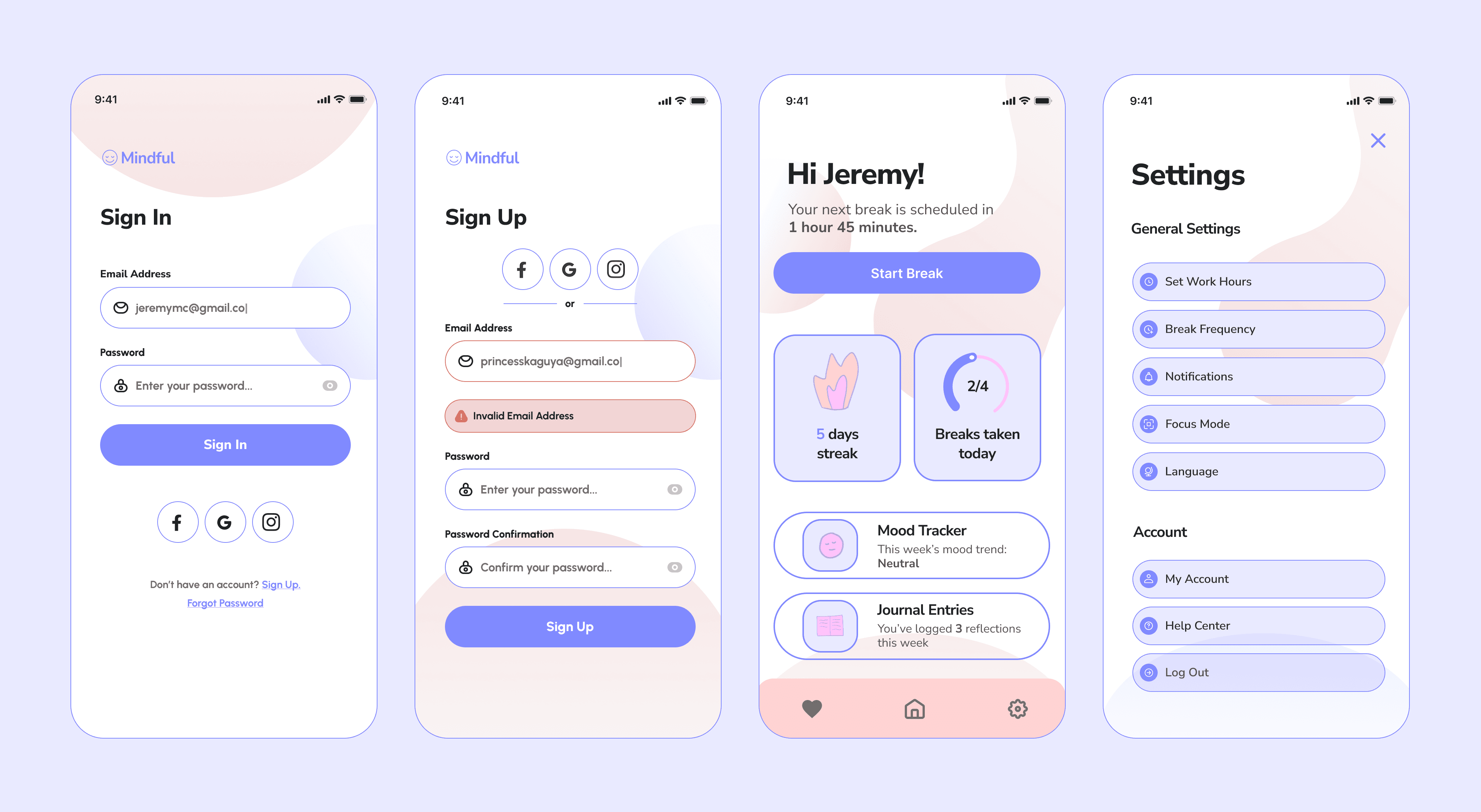
The Sign In screen evolved to be clean, minimal, and easy to navigate, making the login process quick and frictionless. For new users, the Sign Up form includes the option to sign up effortlessly with Google or other social media accounts. Built-in error handling notifies users immediately if an invalid email is entered, helping streamline the experience.
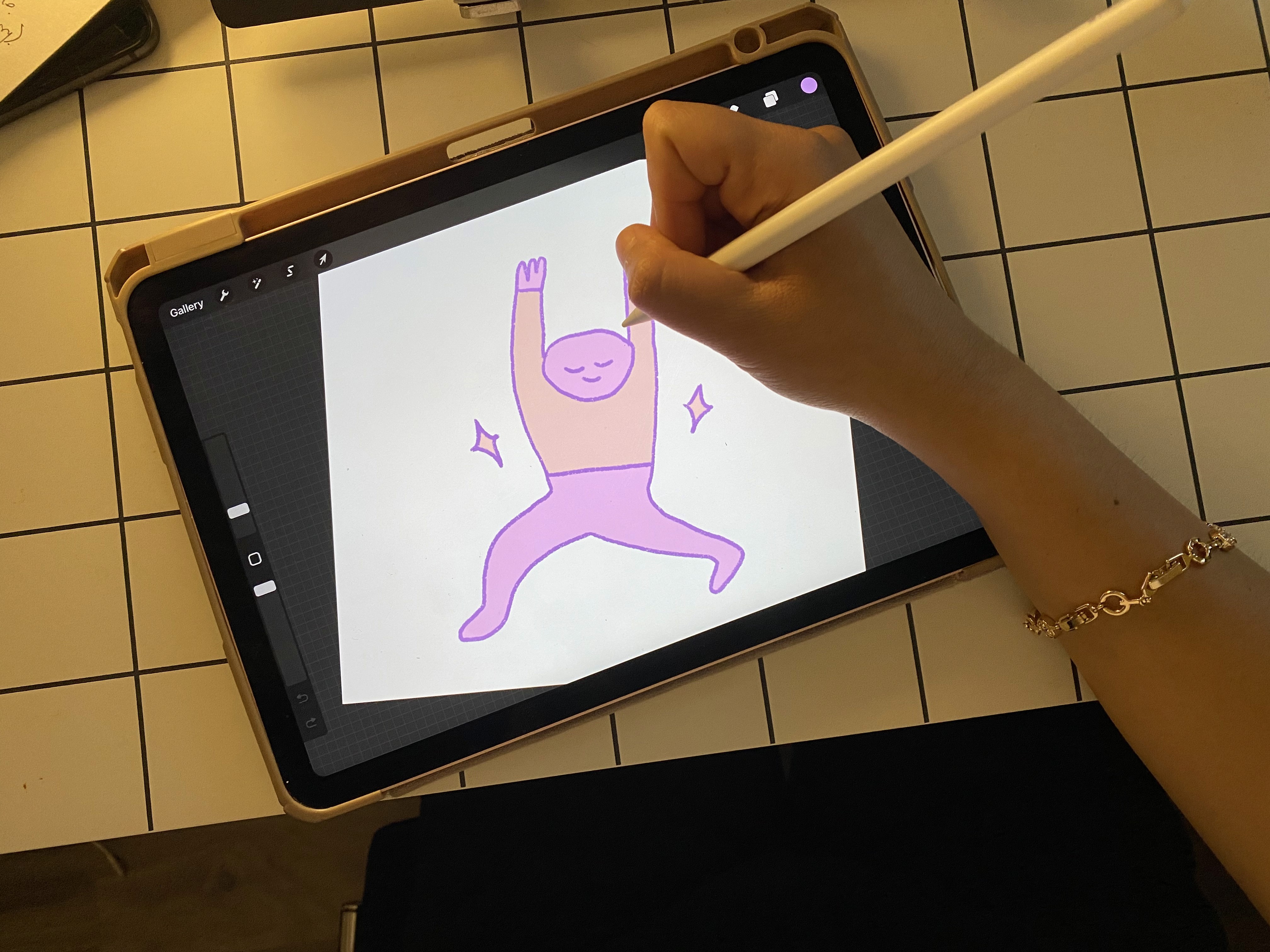
Once inside, the Dashboard offers a calm, focused layout that gives users immediate access to start a break. It also displays simple stats, encouraging users to build mindful habits over time.
From the dashboard, users can access the main Menu, which leads to Settings. Here, they can customize their experience by setting work hours, toggling notifications on or off, and managing their account details.
Login, Sign Up & Dashboard
The Sign In screen evolved to be clean, minimal, and easy to navigate, making the login process quick and frictionless. For new users, the Sign Up form includes the option to sign up effortlessly with Google or other social media accounts. Built-in error handling notifies users immediately if an invalid email is entered, helping streamline the experience.
Once inside, the Dashboard offers a calm, focused layout that gives users immediate access to start a break. It also displays simple stats, encouraging users to build mindful habits over time.
From the dashboard, users can access the main Menu, which leads to Settings. Here, they can customize their experience by setting work hours, toggling notifications on or off, and managing their account details.
Login, Sign Up & Dashboard
The Sign In screen evolved to be clean, minimal, and easy to navigate, making the login process quick and frictionless. For new users, the Sign Up form includes the option to sign up effortlessly with Google or other social media accounts. Built-in error handling notifies users immediately if an invalid email is entered, helping streamline the experience.
Once inside, the Dashboard offers a calm, focused layout that gives users immediate access to start a break. It also displays simple stats, encouraging users to build mindful habits over time.
From the dashboard, users can access the main Menu, which leads to Settings. Here, they can customize their experience by setting work hours, toggling notifications on or off, and managing their account details.


Break Option: Breathe
Through early user interviews, I learned that remote workers needed more than just a reminder to pause, they wanted different types of breaks that could meet their mental, emotional, and physical needs.
Originally, I had only included general options, but feedback pushed me to expand this into a more curated mix of activities like stretching, journaling, walking, and breathing.
The Breathe option was one of the first features I developed. It lets users pick from a set of guided meditations with various lengths to suit their schedule.
After the session, users are invited to check in with a mood wheel, a feature that emerged directly from interviews where participants expressed a desire to track their emotional patterns throughout the week.
Break Option: Breathe
Through early user interviews, I learned that remote workers needed more than just a reminder to pause, they wanted different types of breaks that could meet their mental, emotional, and physical needs.
Originally, I had only included general options, but feedback pushed me to expand this into a more curated mix of activities like stretching, journaling, walking, and breathing.
The Breathe option was one of the first features I developed. It lets users pick from a set of guided meditations with various lengths to suit their schedule.
After the session, users are invited to check in with a mood wheel, a feature that emerged directly from interviews where participants expressed a desire to track their emotional patterns throughout the week.
Break Option: Breathe
Through early user interviews, I learned that remote workers needed more than just a reminder to pause, they wanted different types of breaks that could meet their mental, emotional, and physical needs.
Originally, I had only included general options, but feedback pushed me to expand this into a more curated mix of activities like stretching, journaling, walking, and breathing.
The Breathe option was one of the first features I developed. It lets users pick from a set of guided meditations with various lengths to suit their schedule.
After the session, users are invited to check in with a mood wheel, a feature that emerged directly from interviews where participants expressed a desire to track their emotional patterns throughout the week.

Break Option: Journal
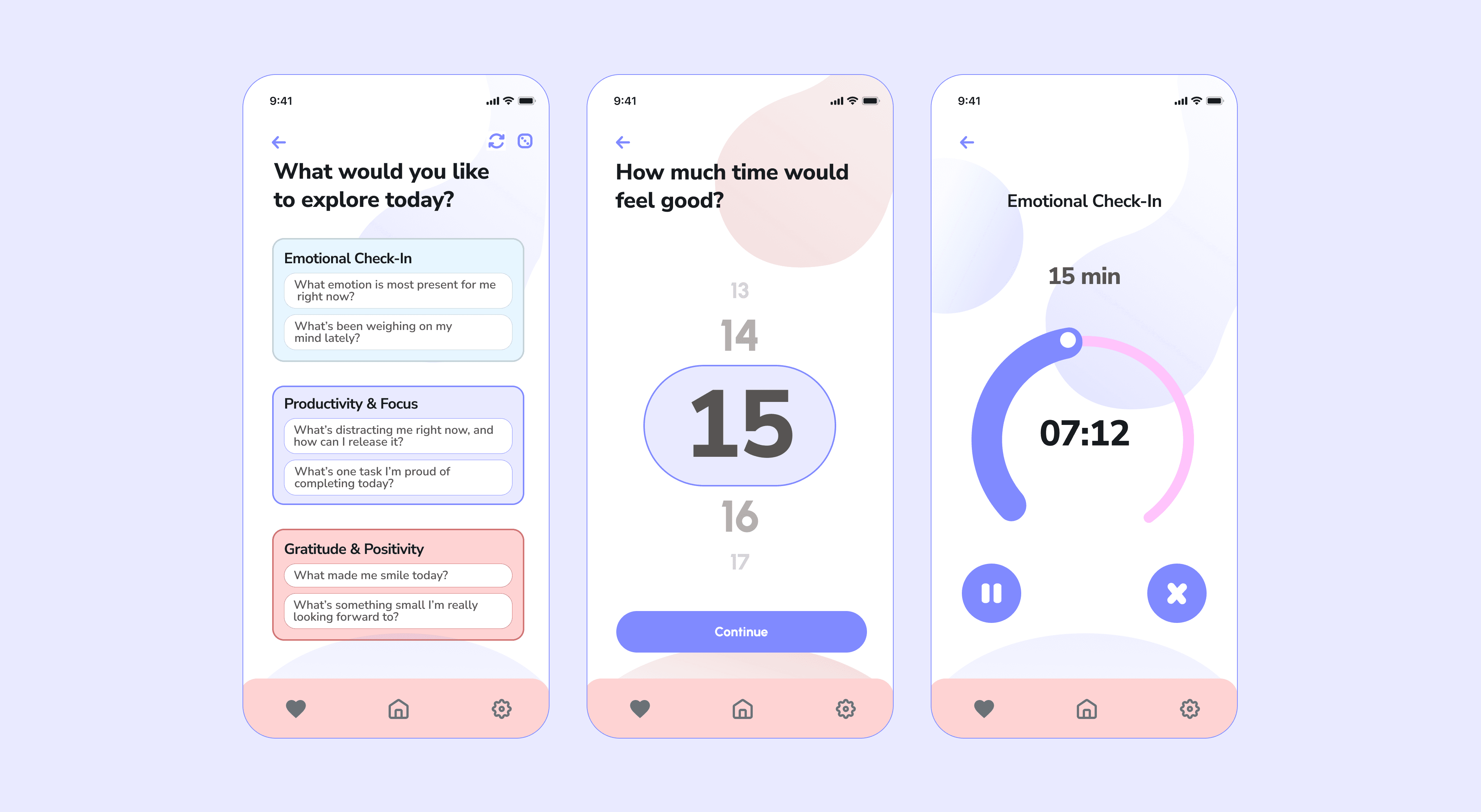
The Journal break started as a simple timed writing space, users could set a duration and take a pause to jot down whatever was on their mind. But after testing the first version, I realized that many users, especially those newer to journaling, often didn’t know where to begin. They needed a bit more structure to feel supported.
In later iterations, I added guided prompts grouped by category and that could be refreshed or randomized, giving users freedom to explore what resonates in the moment.
The timer interface also evolved to better support focus. I introduced a vertical time selector with bold, easy-to-read numbers, and a progress bar that subtly tracks the passage of time.
Break Option: Journal
The Journal break started as a simple timed writing space, users could set a duration and take a pause to jot down whatever was on their mind. But after testing the first version, I realized that many users, especially those newer to journaling, often didn’t know where to begin. They needed a bit more structure to feel supported.
In later iterations, I added guided prompts grouped by category and that could be refreshed or randomized, giving users freedom to explore what resonates in the moment.
The timer interface also evolved to better support focus. I introduced a vertical time selector with bold, easy-to-read numbers, and a progress bar that subtly tracks the passage of time.
Break Option: Journal
The Journal break started as a simple timed writing space, users could set a duration and take a pause to jot down whatever was on their mind. But after testing the first version, I realized that many users, especially those newer to journaling, often didn’t know where to begin. They needed a bit more structure to feel supported.
In later iterations, I added guided prompts grouped by category and that could be refreshed or randomized, giving users freedom to explore what resonates in the moment.
The timer interface also evolved to better support focus. I introduced a vertical time selector with bold, easy-to-read numbers, and a progress bar that subtly tracks the passage of time.
What's Next?
Mindful was born out of a personal need, but through research and testing, it became clear that the challenges I faced are widely shared among remote workers. The project is still evolving, and there are a few key directions I’d like to explore further.
What's Next?
Mindful was born out of a personal need, but through research and testing, it became clear that the challenges I faced are widely shared among remote workers. The project is still evolving, and there are a few key directions I’d like to explore further.
What's Next?
Mindful was born out of a personal need, but through research and testing, it became clear that the challenges I faced are widely shared among remote workers. The project is still evolving, and there are a few key directions I’d like to explore further.

Thanks!
Thanks so much for taking the time to view my portfolio.
Thanks!
Thanks so much for taking the time to view my portfolio.